How Long Should I Nap?
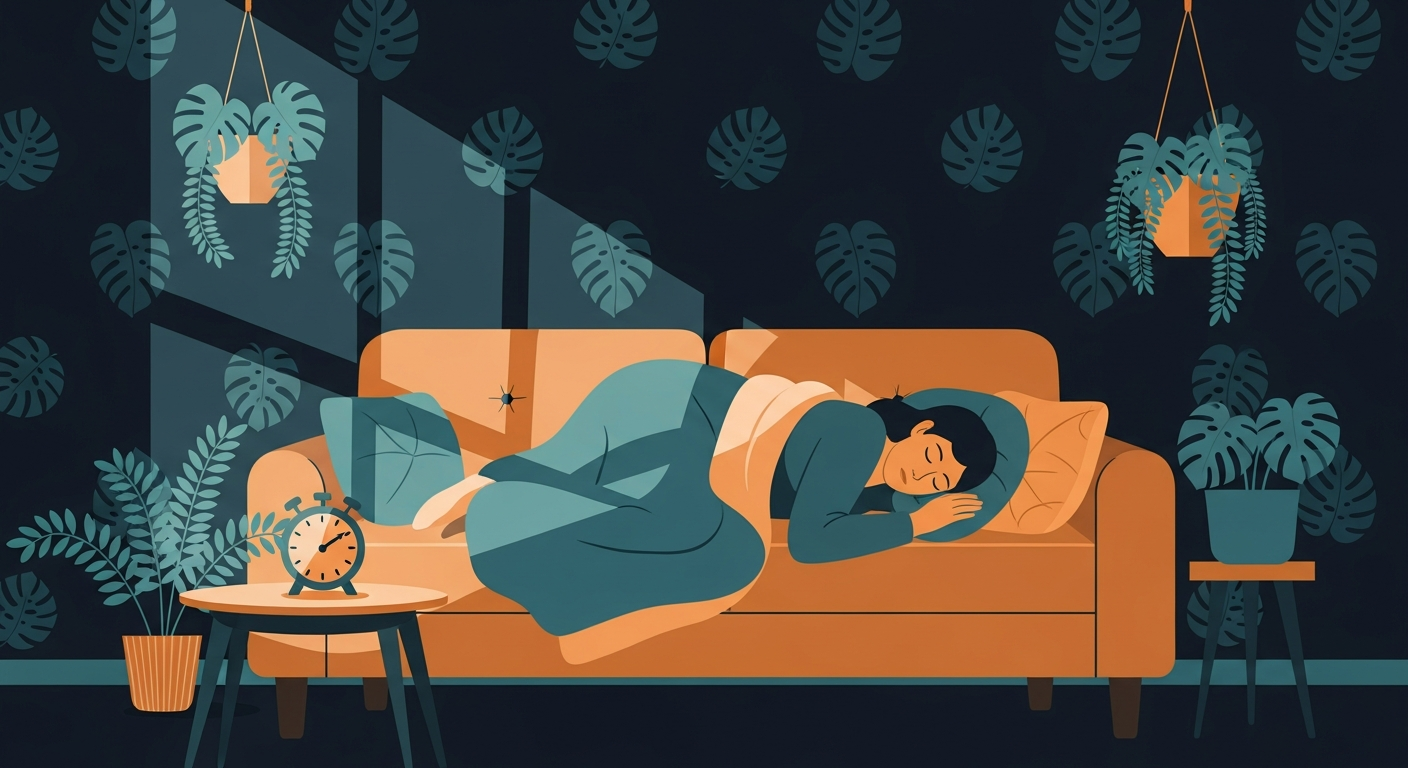
A nap can rescue a hard day, but the wrong nap can make you groggy or push bedtime too late. The best nap length depends on your goal: quick alertness, real recovery, or getting through an unusual schedule.
Quick answer
For quick alertness, nap for 10–30 minutes. For deeper recovery, nap for about 90 minutes if you have enough time. Avoid long late-day naps unless you work nights or need recovery, because they can make bedtime harder.
- Best starting point: Try a 20-minute power nap early in the afternoon.
- Common mistake: Napping 45–60 minutes and waking from deeper sleep groggy.
- Use this calculator: Power Nap Calculator.
How long should you nap?
| Goal | Best nap length | Why |
|---|---|---|
| Quick energy | 10–20 minutes | Lower risk of grogginess |
| Afternoon reset | 20–30 minutes | Practical power nap range |
| Major recovery | About 90 minutes | More complete sleep-cycle opportunity |
| Night shift preparation | 90 min or longer if schedule allows | Reduces long wakefulness before shift |
| Close to bedtime | Usually avoid | May reduce sleep pressure for that night |
20-minute vs. 30-minute vs. 90-minute naps
The 10–20 minute quick reset
A short nap is best when you need a fast lift without entering deeper sleep. Many people wake from a short nap feeling clearer because they avoid sleep inertia — the heavy grogginess that can happen after waking from deep sleep. Short naps can improve alertness in fatigue-management contexts (CDC/NIOSH).
The 20–30 minute power nap
A power nap gives a little more sleep opportunity while still staying short. Best timing is usually early afternoon. For most daytime schedules, that means sometime after lunch but not too close to dinner.
The 90-minute full-cycle nap
A 90-minute nap is for bigger recovery — it may allow a fuller sleep cycle and waking with less grogginess than a 45–60 minute nap. Use it when you slept very little the night before, when preparing for a night shift, or when you have enough time to wake slowly.
The nap length to avoid: 45–60 minutes
The awkward middle zone is often 45–60 minutes. That length can wake you from deeper sleep, leaving you heavy and disoriented. If you often wake from naps feeling worse, try either shorter than 30 minutes or closer to 90 minutes.
Best nap length by situation
| Situation | Best nap |
|---|---|
| Sleepy after lunch | 15–25 minutes |
| Bad night before a normal bedtime | 20 min early afternoon |
| Preparing for night shift | 90 min or longer before shift |
| Severe sleep debt on a day off | 90 min early afternoon |
| Late afternoon slump | Use caution; try movement and light first |
For recovering from sleep debt, use naps as part of a broader strategy — not as the only fix. See how to use naps around night shifts for shift-work planning.
What is a coffee nap?
A coffee nap means drinking caffeine immediately before a short nap. Since caffeine takes about 20–30 minutes to start feeling alerting, some people wake just as the caffeine begins to help. This can be useful for shift workers or long afternoons — but it is not a good choice close to bedtime, and it is not magic. Avoid caffeine too close to bedtime regardless of nap strategy.
How to avoid waking up groggy
- Keep naps short (under 30 min) or full-cycle (~90 min) — avoid the 45–60 min middle zone.
- Use an eye mask or curtains to keep the room dark.
- Set an alarm across the room so you actually get up.
- Try not to nap after 3–4 PM unless you have a late or night-shift schedule.
- If you cannot fall asleep, resting quietly still has value. Do not extend the nap just because you failed to fall asleep.
Best time of day to nap
For many daytime schedules, a nap between 1–3 PM works well — it aligns with the natural early-afternoon dip in alertness while leaving enough time before a normal bedtime. If your target bedtime is around 10–11 PM, avoid naps after 4 PM unless you are seriously sleep-deprived or have an unusual schedule.
FAQs
Is a 20-minute nap enough?
A 20-minute nap is often enough for a quick alertness boost. It may not fully recover a major sleep deficit, but it is less likely to cause grogginess than a longer mid-length nap.
Why do I feel worse after a nap?
You may be waking from deeper sleep, napping too long, napping too late, or carrying significant sleep debt. Try a shorter nap or a full 90-minute nap.
What is the best nap time?
For many daytime schedules, early afternoon is best. Late-day naps are more likely to interfere with nighttime sleep.
Can napping make sleep debt worse?
If naps are long or late, they can reduce sleep pressure and make bedtime harder. Keep naps appropriately timed and short unless you are using a 90-minute full-cycle recovery nap.
Sources
Related articles & calculators
- Power Nap Calculator — time your power nap
- How to Recover From Sleep Debt
- Sleep Schedule for Night Shift Workers — use naps around night shifts
- When to Stop Drinking Caffeine Before Bed
- All Sleep Planning Guides →
Educational use only. This article is for general sleep-planning education and is not medical advice. Consult a qualified healthcare professional for persistent sleep problems.