How to Use a Sleep Tracker Without Obsessing Over Scores
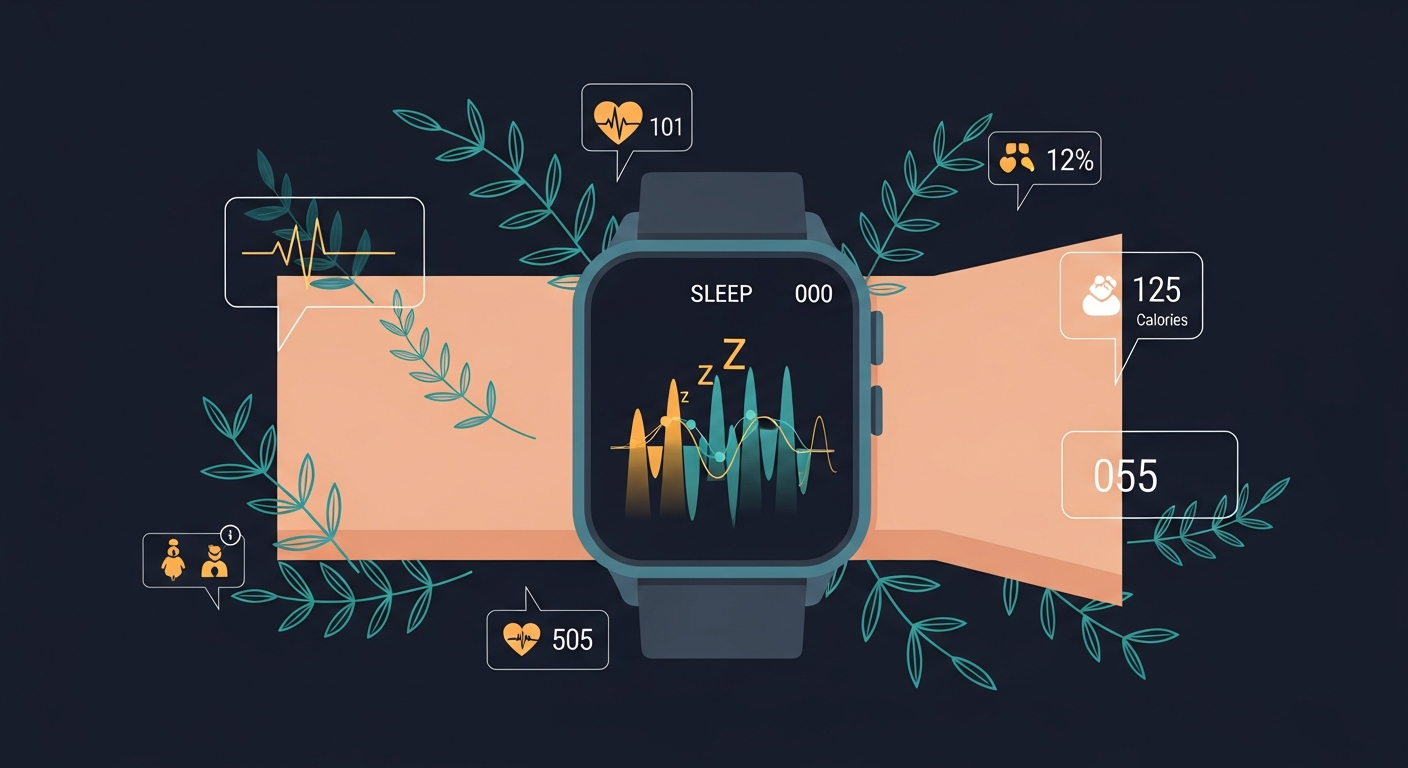
Sleep trackers can be helpful — they can show bedtime drift, short sleep patterns, inconsistent wake times, and possible links between habits and sleep. But they can also create stress when every morning begins with a score. The goal is to use your tracker as a pattern tool, not a judge.
Quick answer
Use a sleep tracker to find weekly patterns, not to judge every night. Focus on bedtime, wake time, estimated sleep duration, naps, caffeine, alcohol, and how you feel in the morning. Treat sleep stages and scores as estimates, not perfect measurements.
- Best starting point: Review weekly trends instead of daily scores.
- Common mistake: Letting a low sleep score create stress that makes the next night worse.
- Use these calculators: Sleep Calculator and Sleep Latency Calculator.
What sleep trackers are good at
Most consumer trackers are best at showing broad patterns:
- Bedtime consistency
- Wake time consistency
- Estimated sleep duration trends
- Restlessness trends
- Nighttime awakenings
- Heart rate or recovery trends, depending on device
These patterns can help you test changes. For example, you might notice that late caffeine, alcohol, or Sunday sleep-ins are linked with worse nights. Consumer trackers estimate sleep from movement, heart rate, and other signals — they are generally better for trend analysis than precise sleep-stage measurement.
What sleep trackers can get wrong
Trackers do not read your brain waves the way a clinical sleep study does. That means sleep stages, deep sleep, and REM estimates may not be perfectly accurate. If your tracker says you got "bad sleep" but you feel rested, do not let the score ruin your day. If it says you slept well but you feel dangerously sleepy, listen to your body.
Compare tracker data with your estimated sleep latency to see whether the timing data aligns with your actual experience.
How to use sleep data without obsessing
Do not overreact to one night. Sleep naturally varies. Instead, review seven-day trends:
| Question | Why it matters |
|---|---|
| Did bedtime drift later? | Shows schedule creep |
| Was wake time consistent? | Anchors sleep rhythm |
| Did caffeine timing change? | Helps identify sleep latency triggers |
| Did naps help or hurt bedtime? | Shows recovery vs. delay |
| Did I feel rested despite the score? | Balances data with real experience |
Track inputs, not just sleep scores
A sleep score is an output. To improve sleep, track the inputs you can actually change:
| Input to track | Example |
|---|---|
| Caffeine cutoff | Last coffee 1:30 PM |
| Nap | 20 minutes at 2 PM |
| Alcohol | 1 drink at 8 PM |
| Screen cutoff | Phone away 10 PM |
| Morning energy | 4/5 |
Once you track inputs, your data becomes practical. Track caffeine cutoff experiments and watch sleep debt trends over time.
Weekly sleep review template
You do not need a device to track sleep. A simple paper log works:
| Item | Example |
|---|---|
| Lights out | 10:45 PM |
| Estimated sleep onset | 11:05 PM |
| Wake-ups | 2 |
| Final wake | 6:30 AM |
| Nap | 20 min at 1:30 PM |
| Caffeine cutoff | 1:00 PM |
| Morning energy | 3/5 |
This simple log is often enough to find patterns — without needing an expensive wearable.
When to stop tracking for a while
Some people start trying to "perform" sleep. They go to bed worried about getting enough deep sleep, then that worry makes sleep harder — a loop sometimes called orthosomnia. If tracking increases anxiety:
- Hide sleep stages and focus only on schedule data.
- Review data weekly instead of daily.
- Stop wearing the device for a week.
- Use a simple paper log instead.
- Talk with a professional if sleep anxiety is persistent.
A tracker should lower confusion, not increase pressure. Know when data is not enough and when professional guidance is appropriate.
FAQs
Are sleep trackers accurate?
Consumer sleep trackers can be useful for trends, but they are estimates. Sleep-stage data and daily scores should not be treated as perfect measurements.
Should I check my sleep score every morning?
If it helps you make calm decisions, yes. If it makes you anxious, review weekly trends instead or take a break from tracking.
What should I track besides sleep score?
Track caffeine timing, naps, alcohol, bedtime routine, wake time, and morning energy. Those inputs are easier to change than the score itself.
Can sleep tracking cause anxiety?
Yes — this has been described as orthosomnia. If checking your tracker makes you more worried about sleep, try hiding detailed stages, reviewing weekly, or taking a break.
Sources
Related articles & calculators
- Sleep Latency — compare tracker data with your estimated sleep latency
- When to Stop Drinking Caffeine Before Bed — track caffeine cutoff experiments
- How to Recover From Sleep Debt — watch sleep debt trends
- When to See a Doctor for Sleep Problems — know when data is not enough
- All Sleep Planning Guides →
Educational use only. This article is for general sleep-planning education and is not medical advice. Consult a qualified healthcare professional for persistent sleep problems.