Teen Sleep Schedule for School Mornings
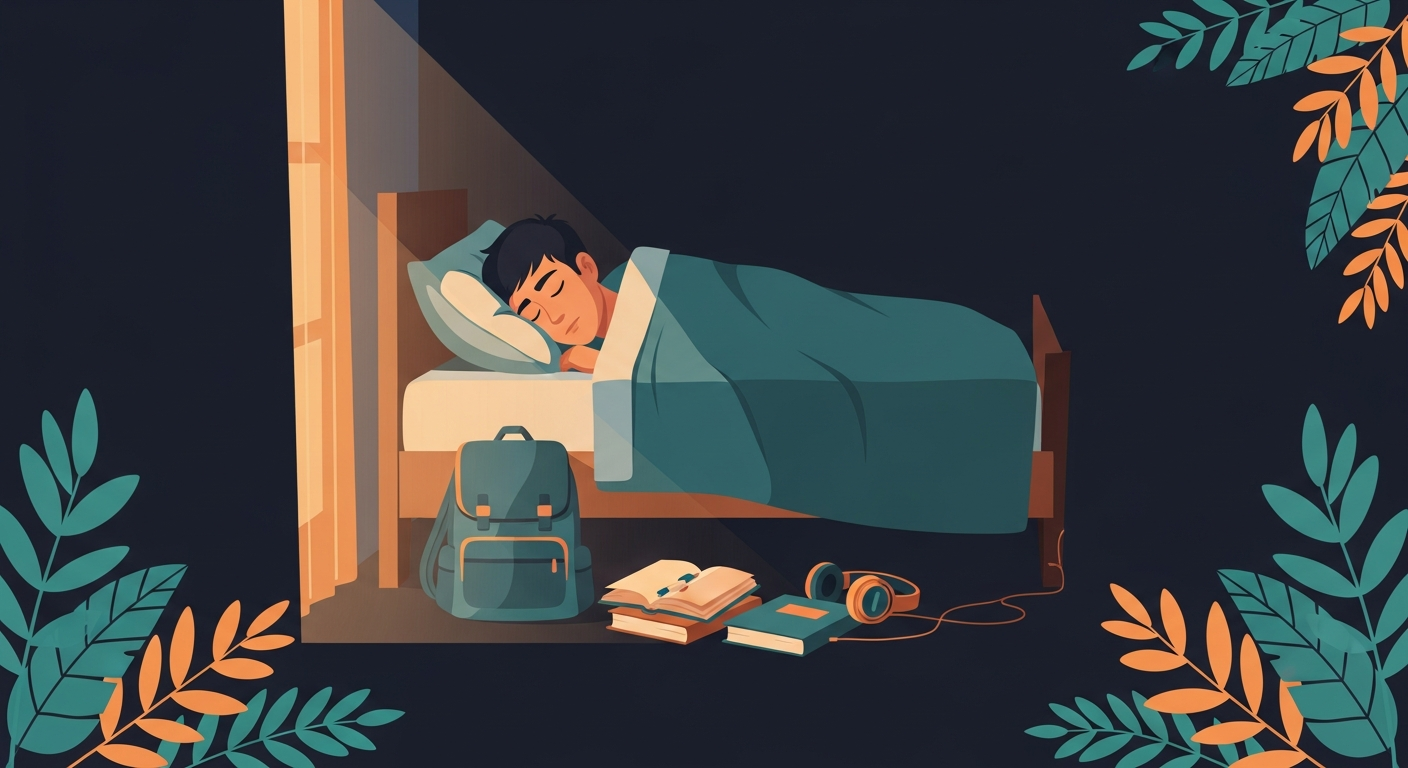
Teen sleep is hard because biology and school schedules often collide. Many teens naturally feel sleepy later in the evening, but school may require an early wake-up. Add homework, sports, social life, phones, and caffeine — and sleep can become the first thing sacrificed. A useful teen sleep plan has to be realistic, not just say "go to bed earlier."
Quick answer
A teen sleep schedule should work backward from the school wake-up time and protect enough sleep opportunity. For a 6:30 AM wake-up, many teens need a lights-out time around 9:00–10:15 PM depending on sleep need and how long it takes to fall asleep.
- Best starting point: Start with the real school-day wake-up time.
- Common mistake: Letting homework, screens, and caffeine push bedtime later every night.
- Use these calculators: Sleep Calculator and Caffeine Calculator.
How much sleep do teens need?
Most teens need 8–10 hours of sleep per night, according to the CDC and NHLBI. Teen sleep timing can also shift later biologically — this is sometimes called delayed sleep phase — making it harder to fall asleep early even when they want to.
Teen bedtime examples by school wake-up time
All times are lights-out estimates including a 20-minute fall-asleep buffer.
| Wake-up time | 8 h + 20 min | 9 h + 20 min | 10 h + 20 min |
|---|---|---|---|
| 5:45 AM | 9:25 PM | 8:25 PM | 7:25 PM |
| 6:00 AM | 9:40 PM | 8:40 PM | 7:40 PM |
| 6:30 AM | 10:10 PM | 9:10 PM | 8:10 PM |
| 7:00 AM | 10:40 PM | 9:40 PM | 8:40 PM |
Use the sleep schedule calculator to build a full schedule from a school wake-up time.
How to create a realistic school-night routine
A bedtime plan fails when homework expands into the night. Set a cutoff time for heavy work. After that, only packing, review, or low-stress tasks remain.
Example for a 10:00 PM lights-out target:
- 7:30 PM — finish demanding homework
- 8:00 PM — prepare backpack, clothes, lunch, charger
- 8:30 PM — lower lights and screens
- 9:30 PM — quiet routine (reading, music, stretching)
- 10:00 PM — lights out
Adjust timing for sports, jobs, or activities — but the idea is to prevent school tasks from occupying the entire evening.
Homework cutoff and wind-down plan
The final 60–90 minutes before bed should be low-stimulation. Heavy cognitive work, stressful conversations, and decisions keep the brain alert. A "landing zone" before lights-out — packing tomorrow's bag, setting the alarm, reviewing tomorrow's schedule — removes those decisions from bedtime itself.
Screens, caffeine, and late-night alertness
Phones make sleep harder in two ways: the light can signal wakefulness, and the content keeps the brain emotionally active. Even with night mode on, messages, games, videos, and scrolling can delay sleep.
A practical approach:
- Charge the phone outside the bedroom or across the room.
- Use a real alarm clock if possible.
- Replace scrolling with music, reading, stretching, or a low-stimulation podcast.
Teen caffeine often comes from energy drinks, coffee drinks, soda, pre-workout, and chocolate. A simple rule: set a caffeine cutoff for school nights — no caffeine after lunch for teens who struggle to fall asleep.
Weekend catch-up sleep for teens
Sleeping late on weekends can feel necessary, but a large shift can make Sunday night harder. Try keeping weekend wake-up within two hours of school wake-up. If more recovery is needed, use an earlier bedtime Friday night or a short early-afternoon nap rather than an extreme sleep-in. Avoid Monday grogginess after weekend sleep-ins with a consistent wake anchor.
For parents and caregivers
- Keep household expectations consistent.
- Avoid late-night chores or serious conversations.
- Encourage morning light after waking.
- Set a family charging station outside bedrooms.
- Protect sleep during exam weeks and sports seasons.
FAQs
What time should a teenager go to bed for school?
It depends on wake-up time and sleep need. For a 6:30 AM wake-up, a realistic lights-out target may be around 9:00–10:15 PM depending on whether the teen needs about 8–10 hours of sleep.
Why do teens stay up so late?
Teen sleep timing can shift later biologically, and evening habits such as screens, homework, activities, and caffeine can push sleep even later.
Is sleeping late on weekends okay for teens?
Some catch-up sleep can help, but sleeping several hours later may make Sunday night and Monday morning harder.
How much caffeine is too much for teens?
There is no universal safe dose for teens. Many health organizations recommend limiting or avoiding high-caffeine products. Any caffeine close to bedtime can affect sleep onset.
Sources
Related articles & calculators
- Sleep Schedule by Wake-Up Time — build a schedule from a school wake-up time
- When to Stop Drinking Caffeine Before Bed — set a caffeine cutoff for school nights
- Weekend Sleep Schedule — avoid Monday grogginess
- Bedroom Setup for Better Sleep
- All Sleep Planning Guides →
Educational use only. This article is for general sleep-planning education and is not medical advice. Consult a qualified healthcare professional for persistent sleep problems.